











Young people from Brava threaten to boycott the presidential election due to a lack of change and dissatisfaction with the situation on the island
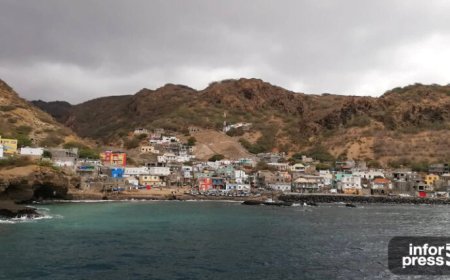
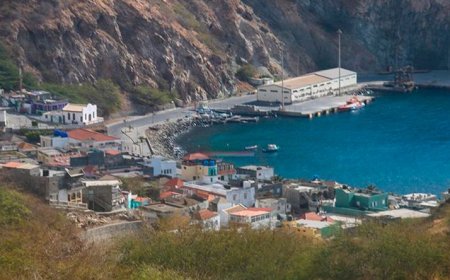
Nova Sintra, November 6, 2026 (Bravanews) - A significant number of young people on Brava Island have expressed dissatisfaction with the island’s socioeconomic situation and the lack of prospects for the future, admitting that they do not intend to participate in the upcoming presidential elections in Cape Verde. In interviews conducted by Bravanews, several young people expressed frustration with what they consider to be the lack of concrete changes in the lives of the population.
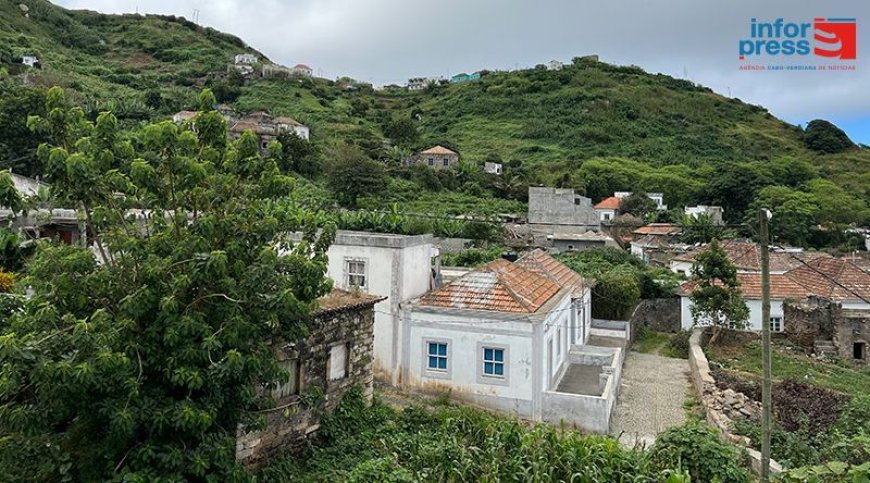
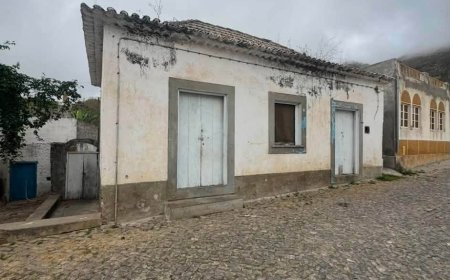
According to the young people interviewed, Brava continues to face structural problems that hinder the island’s development, namely a lack of job opportunities, the constant exodus of young people, economic hardships, and what they describe as a growing sense of abandonment.
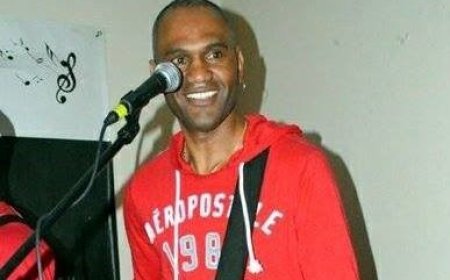
“I’m not going to vote, because we’re seeing that they’re getting richer and richer while we’re still stuck in the same place,” said a young man from the town of Lagoa, expressing his dissatisfaction with the political class and the lack of results that, in his opinion, should translate into improvements in the population’s living conditions.
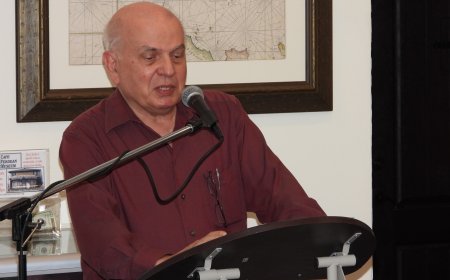
For his part, another young man, a resident of Lomba, stated that the level of corruption in Cape Verde is rising and that, in light of what he considers to be a lack of accountability, he has decided never to participate in elections again. For this young man, voting no longer represents an opportunity for change.
The concerns expressed by young people go beyond the presidential elections. Many believe that the island of Brava continues to lose population, opportunities, and the ability to attract investment, while problems related to transportation, health, education, and employment remain unresolved.
This sense of disillusionment with politics may serve as a wake-up call for political parties and policymakers, especially on an island where youth emigration and an aging population pose increasingly concerning challenges. In this context, voter abstention may reflect not only a lack of interest in the election but also a profound crisis of confidence in institutions and their representatives.
Despite the statements gathered, it is not possible to assert that all young people in Brava share this view. However, the testimonies heard by Bravanews raise an important question: how can we convince young people to continue believing in democracy and the vote when some of them feel that, regardless of who is in power, their reality remains virtually unchanged?
MS